
From Timber to Wildlife: Managing Your Virginia Land for Profit and Enjoyment
Owning land in Virginia is more than a financial investment — it’s a living, breathing opportunity. Whether you’ve bought acreage for hunting, timber, farming, or just peace and quiet, the way you manage that land can make all the difference in what it gives back to you.
Here in the Shenandoah Valley and across Southside Virginia, we’ve seen all kinds of properties turn into productive, beautiful spaces that not only pay their way but also become treasured family legacies.
🌳 1. Understanding Your Land’s Natural Potential
Every property has its own character. The first step to smart management is learning what you have — soil type, timber mix, water sources, and topography.
Walk the land, take notes, and talk with local experts who know Virginia’s ecosystems.
- Hardwood tracts in places like Rockingham and Augusta County often include oak, hickory, and poplar — valuable species for long-term timber growth.
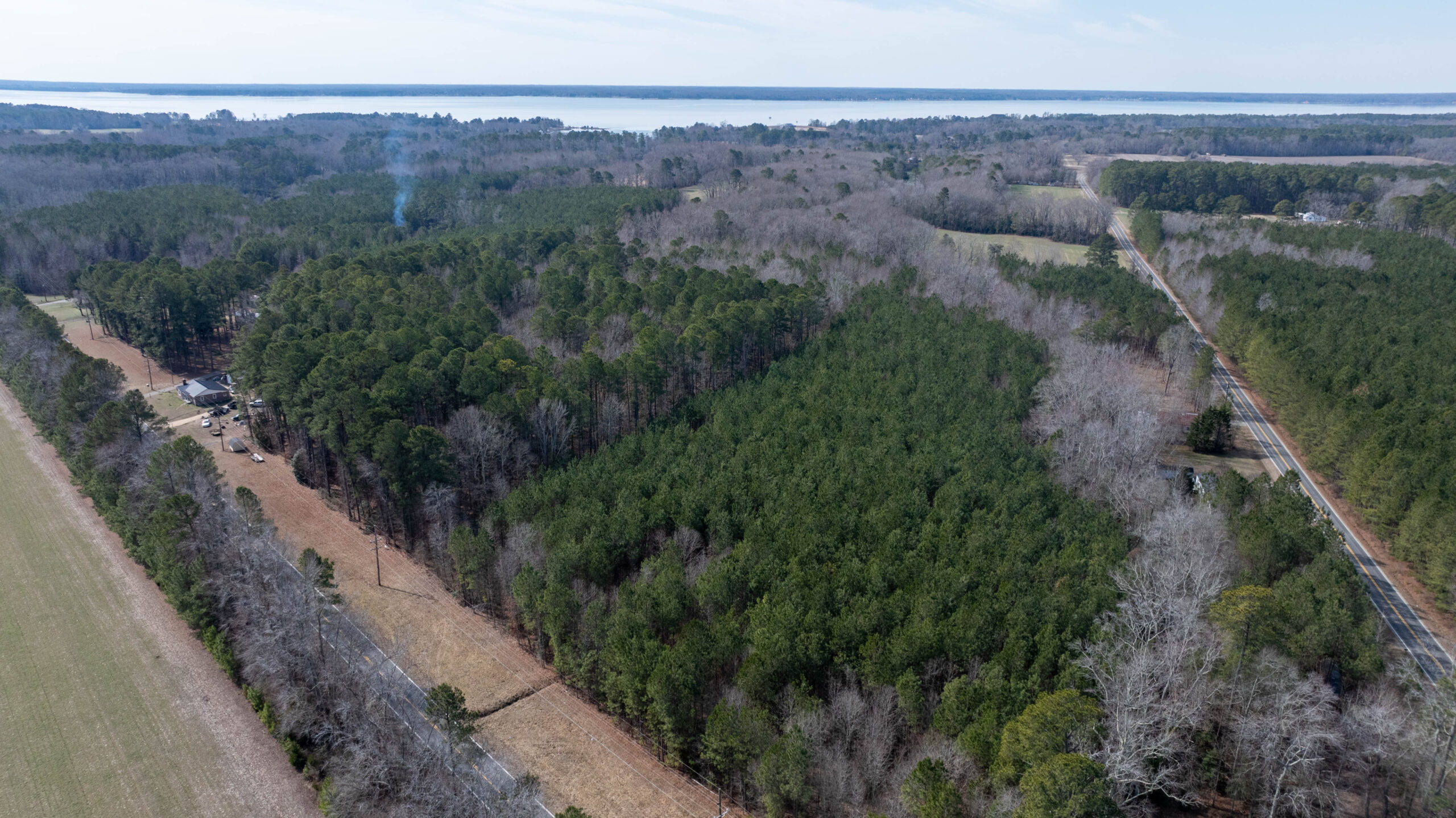
- Pine stands in southern counties like Halifax or Pittsylvania grow quickly and can be managed for periodic harvests.
- Mixed-use tracts may offer both timber value and wildlife habitat, making them perfect for those who want to enjoy hunting while their trees mature in value.
A professional forestry plan can help you understand how and when to thin or harvest timber, improving growth and wildlife conditions at the same time.
🦌 2. Creating a Wildlife-Friendly Property
A well-managed piece of land supports deer, turkey, songbirds, and other native species — even if hunting isn’t your main goal.
You can start small:
- Leave a few edge areas uncut for cover and nesting.
- Plant food plots or mast-producing trees like chestnut, oak, or persimmon.
- Manage water sources so animals have reliable access to drinking areas.
If you’re a hunter, these improvements can turn an average property into a dream spot. And if you’re just a nature lover, you’ll enjoy watching your land come alive each season.
🌾 3. Timber Management for the Long Haul
Virginia’s forests are a renewable resource — but they don’t manage themselves. A thoughtful approach to selective harvesting can provide steady income without damaging the landscape.
Working with a certified forester ensures your harvest is sustainable and strategic. You can:
- Thin overcrowded stands to boost growth and sunlight.
- Replant with improved seedlings for faster future yields.
- Sell pulpwood or sawtimber to local mills for periodic returns.
Even if you’re not interested in harvesting right away, knowing the age and health of your trees can help you plan ahead for future value or tax deductions.
💵 4. Earning Income from Your Land
Beyond timber, there are several ways to make your property pay for itself:
- Hunting leases: Local sportsmen will often pay seasonal fees for controlled access.
- Farming leases: Open ground can be leased for hay, crops, or grazing.
- Conservation programs: Virginia offers cost-share incentives for landowners who manage wildlife habitat, protect streams, or reforest idle ground.
These options help you maintain your property while preserving its natural beauty and increasing its long-term worth.
🤝 5. Work with People Who Know Virginia Land
Managing land takes time and know-how — and that’s where experience matters. At Countryside Land Company, we help buyers and owners throughout Virginia make the most of their acreage. From identifying the right tract to understanding timber cycles and wildlife potential, our team can guide you through every step.
Whether your goal is recreation, income, or legacy, we’ll help you find a property that fits your plans and teach you how to make the most of it for years to come.
👉 Explore available listings and land management resources at virginialanddirect.com