
What to Know Before You Buy Rural Land in Virginia
There’s something about standing on an open piece of land in Virginia—the quiet, the smell of the woods, the promise of what could be. But before you sign on the dotted line, it’s important to understand exactly what you’re buying. Rural property can be a great investment, but it comes with its own set of details that deserve attention.
🌱 1. Start with Soil and Access
If you’re planning to build, soil is where it all starts. Before you get too attached to a property, check whether it’s been perked for septic or if the soil is suitable for future testing. A property that can’t support a septic system will limit your building options.
Access is just as important. Is the property on a state-maintained road, or will you need an easement through someone else’s land? It’s worth confirming before you buy—because a beautiful property isn’t much good if you can’t legally reach it.
🎯 2. Know Your “Why”
Ask yourself what you really want the land for.
- Are you dreaming of a quiet weekend retreat?
- Hoping to build a forever home?
- Looking for a timber investment or hunting tract?
Your “why” will shape what kind of property makes sense. For example, wooded mountain land in Rockingham County or the Shenandoah Valley might be perfect for recreation, while open farmland in Halifax or Pittsylvania County could be better for agriculture or long-term income.
🏘️ 3. Get Familiar with Zoning and Restrictions
Zoning laws vary by county—and even by parcel. Some areas have strict agricultural zoning; others allow for residential or mixed use. Before making an offer, check the county’s zoning map or call the local planning office to verify what’s allowed.
You’ll also want to look for deed restrictions or covenants, especially on subdivided tracts. These can affect everything from whether you can add a mobile home to whether livestock or short-term rentals are permitted.
💰 4. Financing Rural Property
Financing land is a bit different than financing a house. Banks often require larger down payments and may limit terms to 15–20 years. However, some lenders specialize in Virginia land loans and understand rural property values better than big national banks.
You can also explore farm credit lenders or local credit unions. In some cases, landowners even offer owner financing, which can simplify the process if you’re not ready for a traditional mortgage.
🌾 5. Work with Local Experts
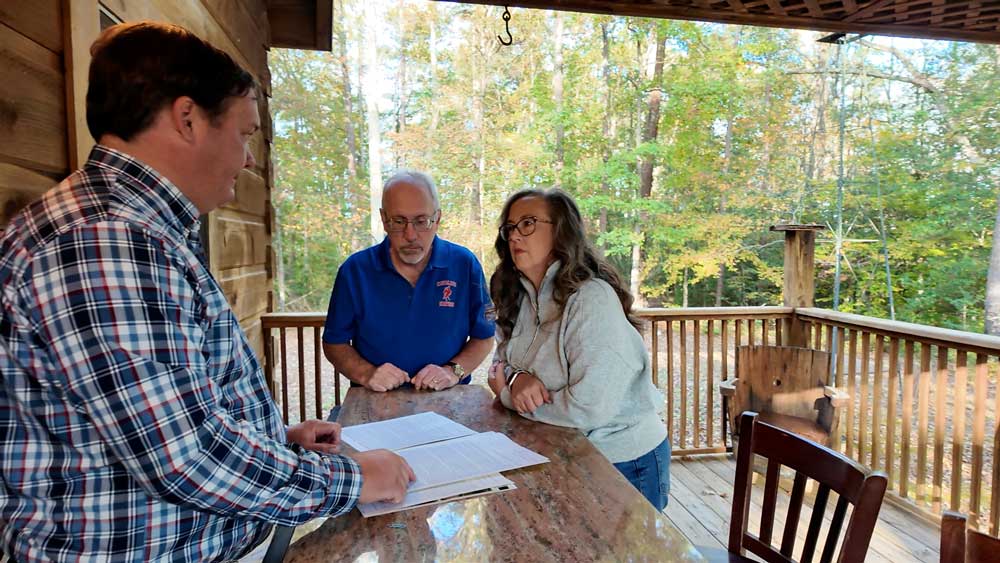
Buying land is more than just finding acreage—it’s about understanding the lay of the land, literally and figuratively. At Countryside Land Company, we live and work in Virginia’s countryside. We know how to read topo maps, spot good soils, and help our clients make smart, confident decisions.
Whether you’re looking for land for sale in Rockingham County, a farm in Halifax, or a hunting property in Augusta, our goal is to make sure your land-buying experience is as straightforward—and rewarding—as possible.
👉 Browse available listings at virginialanddirect.com